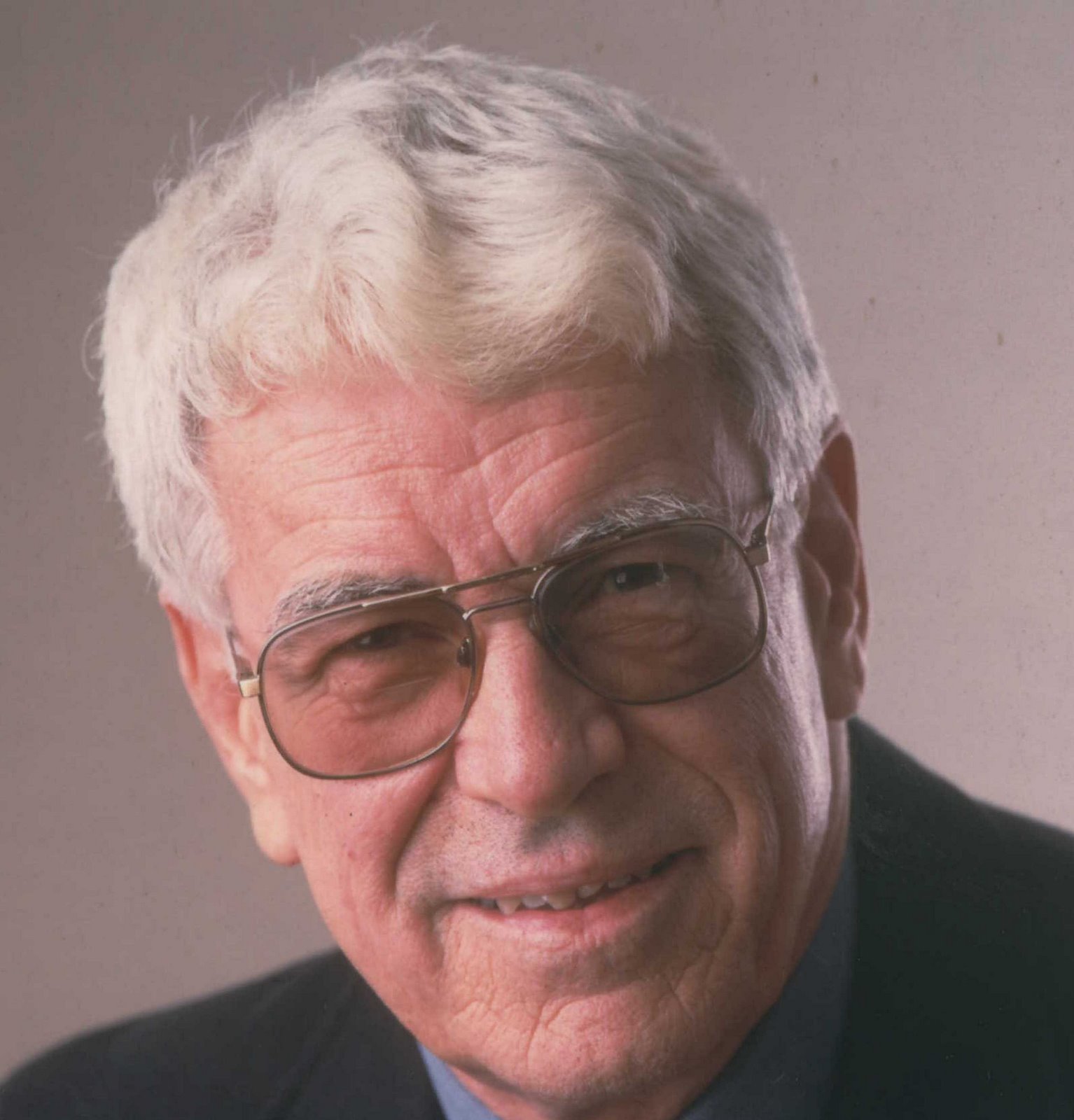
“Environmentalism has become a sort of mythology of death – passionate, lyrical, righteous and hopeless,” says Chris Turner. It has “failed as a common language of hope or a ritual of rebirth. It has failed as myth.”
Eloquent – and painfully accurate. Fear and hopelessness are useless emotions – emotions which make people numb and passive, preventing them from taking useful action. As Turner notes, would all those people in Washington have been inspired if Martin Luther King had stood before them and declared, “I have a nightmare today?”
So Turner set out to find what he calls “the archipelago of hope,” the places and initiatives in the world where people are fully aware of the environmental crisis – but are attacking the problems with imagination, exuberance and optimism. The result is a stimulating new book, The Geography of Hope (Random House Canada, $34.95).
Turner takes as his mantra Kenneth Boulding's observation, “Anything that exists is possible.” He sets out to see not only what might be, or could be, but what is. Is there, for instance, a really prosperous city where people normally travel on first-class public transit, where car ownership is restricted and heavily taxed, where the remaining cars are often powered by hydrogen fuel cells? Well, yes, that would be Singapore. And if Singaporeans can do it, so can others.
Are there houses which are entirely sustainable, generating their own heat and electricity, processing their own wastes, growing some of their own food? Yes, in Germany, Thailand and New Mexico. In Manchester a commercial tower entirely clad in photo-voltaic cells generates enough energy for 61 British homes. It exists, so it's possible.
Is there a first-world community powered entirely by renewable energy? Yep – that's the island of Samsø, in Denmark. The OPEC oil shocks of the 1970s made the Danes realize that they were reliant on oil imports for 94% of their energy. So Denmark began taxing emissions and consumption – doing the sort of thing that Stephane Dion is now proposing for Canada – and invested heavily in the renewable energy industry. Denmark is now the planet's highest per capita producer of wind energy, and it exports wind turbines to the world.
I n 1997, the Danish government invited the country's 78 inhabited islands to compete to become Denmark's showcase “Renewable Energy Island.” Samsø won. At the time, it was deriving 92% of its electricity and 85% of its heat from fossil fuels. Eight years later, it was obtaining all of its heat and more than 100% of its electricity from solar panels and wind generators, exporting its surplus green power to other parts of Denmark. Its heating costs were down by 20%, and its CO2 emissions had been reduced by 140%.
Even more remarkable, says Turner, was the deliberate, thoughtful process which persuaded conservative Danish farmers and villagers to sign up for leading-edge green technology. The proponents did it by buying a fruit press and lots of beer, and going out to the villages to press apples into juice and share a few beers, and talk about working together on a beneficial project that would save everyone money. It was, says Turner, a classic “viral marketing” campaign.
Does that sound familiar? That's Moses Coady and Jimmy Tompkins, holding study sessions and kitchen meetings all over eastern Nova Scotia, slowly building a whole co-operative economy. That's the citizens of Halifax, spending a year talking about what to do with their own garbage and coming up with a composting and recycling program that leads the world – a story that appears in Turner's book.
Turner tackles some important themes along the way – recycling, for example, which almost always “down-cycles” materials, making them progressively less sophisticated and useful. A variant is Extended Producer Responsibility, the scheme favoured in Europe which makes the manufacturer responsible for the entire life-cycle of a product. But neither of these solutions, says Turner, really tackles the fundamental problem, which is a whole system of lousy industrial design.
Better design also exists, and Turner finds it – Interface Carpet's sustainable factory in Georgia, the long-established eco-spiritual community in Findhorn, Scotland, a Colorado shopping mall converted into a real town centre, bio-gas digesters and micro-hydro sites in rural Thailand. And the point is that you know it's possible because it exists – the technology, the knowledge, the examples, everything.
What really interests Turner are the social processes that can transform our vision and behaviour and thus bring the new, sustainable world into being. Those processes require optimism, excitement, commitment. They're rooted in community, in the happiness of doing good things in company with others. They're rooted in hope.
“We gotta start thinking of ourselves as what we are, which is the future,” says one green ad guru. The future is cool, hip, smart and exciting. It's fun. Show it to people, and they'll want to live there – and that's how you change the world.
-- 30 --
Showing posts with label renewable energy. Show all posts
Showing posts with label renewable energy. Show all posts
Monday, July 14, 2008


Wednesday, January 23, 2008
A Green and Floating House
Our little ketch Magnus motored into the marina at Southport, North Carolina, at the end of a long day coming north on the IntraCoastal Waterway. The wind was gusty, the current was strong, and the docking process was tricky.
With Magnus tied up, I hopped out to help Sunshine, a beautiful Valiant 40 cutter which had followed us all the way from the pontoon bridge near South Carolina's Calabash River. Joe and Lynne, Sunshine's crew, brought the big boat in smoothly and tidily, like the accomplished cruisers they were.
“Will you want power?” asked the dockmaster. Joe laughed.
“We haven't been plugged into shore power for six months,” he said. “I don't think we'll need it tonight.”
Joe later told me that Sunshine had achieved what Magnus only dreamed about: an electrical regime in which solar panels and a wind generator provided almost all the energy for the boat's carefully-designed electrical system. Joe and Lynne had all the normal conveniences – computer, lights, heat, refrigeration, stereo, TV – and all those devices were powered by renewable sources.
Now, nearly two years later, I sit in my house and think about the impending energy crunches, and the whole issue of sustainable living. It occurs to me that cruising sailors are among the few people who wouldn't be greatly inconvenienced by a sudden shortage of fossil fuels.
Cruisers deal with energy in two ways. First, they minimize demand. They don't leave things running. When they're done watching TV, they turn the set off. They turn on the lights only when they need to see. They don't use electricity to make heat. Their stoves are fuelled by alcohol, propane or kerosene, and they don't use devices like electric hair dryers.
Second, they maximize storage. Most long-term cruising boats have three or four husky batteries, or even more. The batteries are often divided into separate banks – one battery dedicated to starting the engine, for instance, and four more to provide “house” power. When the sun is blazing down on the solar panels, or the trade winds are briskly spinning the rotors of the wind generators, or the ship's passage through the water is whirling the vanes of an underwater generator, the batteries are storing the bountiful energy away for later use, when the winds aren't blowing and the sun isn't shining.
Our boat didn't have renewable energy sources, but it did have a hefty bank of batteries, big enough to supply all our needs for at least two days without recharging. We recharged them from the engine's alternator, from a small gas generator, or by plugging in at a dock.
We did have three neat little fan-driven air vents with built-in solar cells and batteries, which ran all day and all night on sunlight. We didn't operate a car; when we needed land transportation, we took a taxi or rented a car for a day or two. We carried 50 gallons of water, and it took us the best part of a week to consume it. And we didn't spread any sewage. We had a composting toilet called an Air Head (www.airheadtoilet.com
We didn't have air conditioning, though we did have a little furnace that burned perhaps a litre of diesel a week in regular use. We had a diesel engine in the mother ship, and a gasoline-powered outboard on the dinghy. But we also had sails and oars, and we used them.
We weren't eco-heroes. Our boat, its sails, its ropes, its instruments and cooking utensils were all made of non-renewable resources, and a lot of energy was used in creating all that stuff. And we were in a warm climate. Still, our consumption of resources was far smaller than it is today, when we're heating a full-sized house, flushing out sewage, buying coal-derived electricity and driving a car in the middle of a Canadian winter. Those are the things that make Nova Scotians some of the world's greediest consumers, with an ecological footprint which represents the productivity of 8.1 hectares per person, when the earth can sustainably provide only 1.8.
On the boat, our footprint must have been a small fraction of what it is now – and we lived very well afloat. We ate our favourite foods, drank decent wine, enjoyed music and literature, had an active social life. We didn't feel deprived. In fact, we felt wealthy.
When people quail at the idea that we'll have to reduce our footprints dramatically to preserve the planet in any human-friendly form, I think about life on the boat. We can easily reduce our footprints without going back to living in caves. It doesn't require an unbearable shift in our lifestyles. It does require a substantial shift in our minds.
-- 30 --
With Magnus tied up, I hopped out to help Sunshine, a beautiful Valiant 40 cutter which had followed us all the way from the pontoon bridge near South Carolina's Calabash River. Joe and Lynne, Sunshine's crew, brought the big boat in smoothly and tidily, like the accomplished cruisers they were.
“Will you want power?” asked the dockmaster. Joe laughed.
“We haven't been plugged into shore power for six months,” he said. “I don't think we'll need it tonight.”
Joe later told me that Sunshine had achieved what Magnus only dreamed about: an electrical regime in which solar panels and a wind generator provided almost all the energy for the boat's carefully-designed electrical system. Joe and Lynne had all the normal conveniences – computer, lights, heat, refrigeration, stereo, TV – and all those devices were powered by renewable sources.
Now, nearly two years later, I sit in my house and think about the impending energy crunches, and the whole issue of sustainable living. It occurs to me that cruising sailors are among the few people who wouldn't be greatly inconvenienced by a sudden shortage of fossil fuels.
Cruisers deal with energy in two ways. First, they minimize demand. They don't leave things running. When they're done watching TV, they turn the set off. They turn on the lights only when they need to see. They don't use electricity to make heat. Their stoves are fuelled by alcohol, propane or kerosene, and they don't use devices like electric hair dryers.
Second, they maximize storage. Most long-term cruising boats have three or four husky batteries, or even more. The batteries are often divided into separate banks – one battery dedicated to starting the engine, for instance, and four more to provide “house” power. When the sun is blazing down on the solar panels, or the trade winds are briskly spinning the rotors of the wind generators, or the ship's passage through the water is whirling the vanes of an underwater generator, the batteries are storing the bountiful energy away for later use, when the winds aren't blowing and the sun isn't shining.
Our boat didn't have renewable energy sources, but it did have a hefty bank of batteries, big enough to supply all our needs for at least two days without recharging. We recharged them from the engine's alternator, from a small gas generator, or by plugging in at a dock.
We did have three neat little fan-driven air vents with built-in solar cells and batteries, which ran all day and all night on sunlight. We didn't operate a car; when we needed land transportation, we took a taxi or rented a car for a day or two. We carried 50 gallons of water, and it took us the best part of a week to consume it. And we didn't spread any sewage. We had a composting toilet called an Air Head (www.airheadtoilet.com
We didn't have air conditioning, though we did have a little furnace that burned perhaps a litre of diesel a week in regular use. We had a diesel engine in the mother ship, and a gasoline-powered outboard on the dinghy. But we also had sails and oars, and we used them.
We weren't eco-heroes. Our boat, its sails, its ropes, its instruments and cooking utensils were all made of non-renewable resources, and a lot of energy was used in creating all that stuff. And we were in a warm climate. Still, our consumption of resources was far smaller than it is today, when we're heating a full-sized house, flushing out sewage, buying coal-derived electricity and driving a car in the middle of a Canadian winter. Those are the things that make Nova Scotians some of the world's greediest consumers, with an ecological footprint which represents the productivity of 8.1 hectares per person, when the earth can sustainably provide only 1.8.
On the boat, our footprint must have been a small fraction of what it is now – and we lived very well afloat. We ate our favourite foods, drank decent wine, enjoyed music and literature, had an active social life. We didn't feel deprived. In fact, we felt wealthy.
When people quail at the idea that we'll have to reduce our footprints dramatically to preserve the planet in any human-friendly form, I think about life on the boat. We can easily reduce our footprints without going back to living in caves. It doesn't require an unbearable shift in our lifestyles. It does require a substantial shift in our minds.
-- 30 --
Subscribe to:
Posts (Atom)